The Healthy Grain Bowl: Why This Colourful Meal Is Becoming a Favourite for Health-Conscious Eaters
From busy weekday lunches to easy dinners, the grain bowl brings together whole grains, plant protein, colourful vegetables and healthy fats in one satisfying meal.
There is something refreshing about a meal that looks beautiful, tastes delicious and leaves you feeling comfortably satisfied. The grain bowl brings all three together.
Across modern food culture, people are showing growing interest in meals that offer more than a quick burst of energy. Protein, fibre, gut health and simple ingredients are influencing food choices, and the grain bowl fits naturally into this shift. Recent food trend reporting has highlighted the continuing interest in protein-rich foods and meals that are easy to prepare ahead of time.
But you do not need an expensive health-food café or a long list of exotic ingredients to enjoy one. A nourishing grain bowl can be made in your own kitchen with everyday foods.
A. What Exactly Is a Grain Bowl?
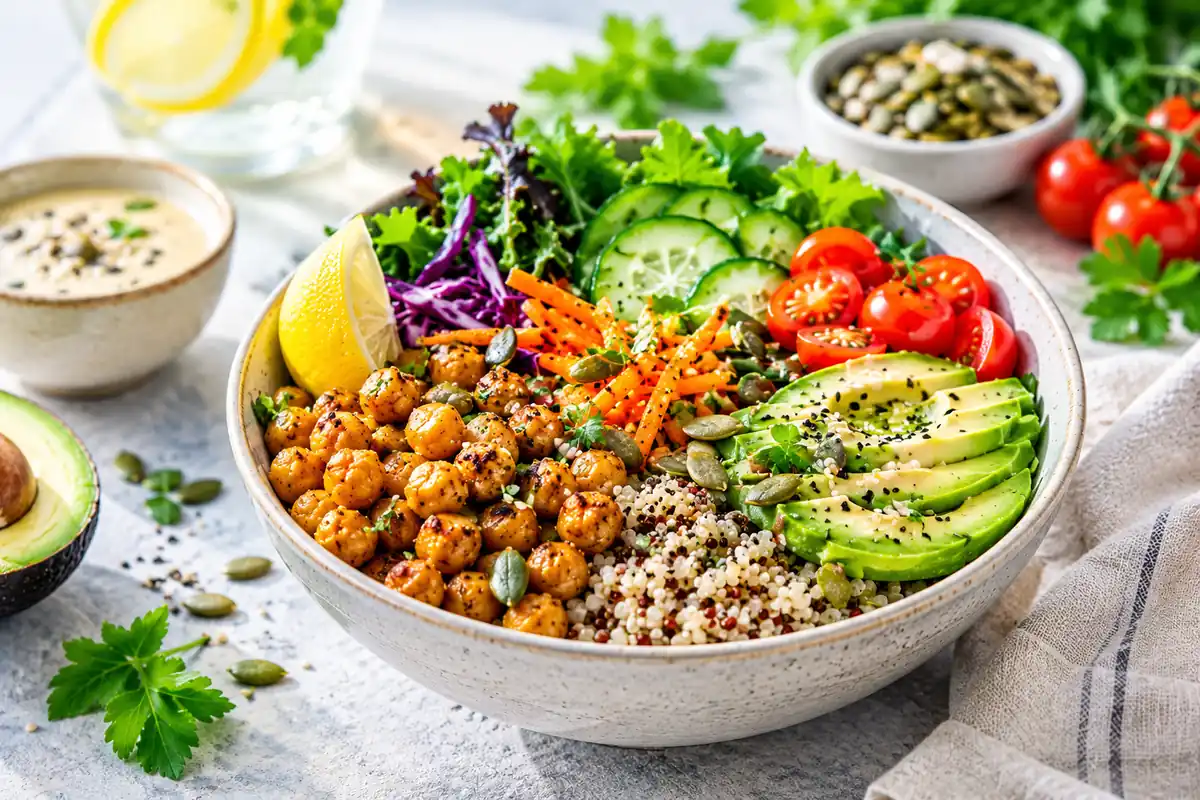
A grain bowl is a complete meal built around a base of grains, topped with vegetables, a source of protein, healthy fats and a dressing.
Popular bases include:
- Quinoa
- Brown rice
- Oats or barley
- Whole-wheat couscous
- Millets, including foxtail and little millet
The toppings are where the creativity begins. Chickpeas, beans, tofu, eggs, grilled chicken, leafy greens, roasted vegetables, avocado, nuts and seeds can all find a place in the bowl.
The beauty of this meal is its flexibility. You can adapt it to your budget, local ingredients, taste preferences and dietary needs.
B. Why Is the Grain Bowl Getting So Much Attention?
The wider movement towards protein-rich foods, fibre and practical meal preparation has helped make balanced bowls an appealing option. Here are the reasons this meal deserves a place on your menu.
1. It brings protein and fibre together
Protein helps maintain muscles and supports the body’s repair processes. Fibre supports digestive health and can help you feel satisfied after eating.
Combining grains with beans, lentils, chickpeas or tofu creates a useful foundation for a balanced meal. Vegetables, seeds and whole grains can contribute additional fibre.
Rather than concentrating on protein alone, a grain bowl encourages you to consider the overall nutritional value of your meal.
2. It makes vegetables more inviting
Eating vegetables can feel repetitive when they appear in the same form every day. A bowl gives you room to experiment with colour, flavour and texture.
Try combining crunchy cucumber, sweet roasted carrots, juicy tomatoes and tender spinach. Add lemon dressing or fresh herbs, and ordinary vegetables become a more exciting meal.
A colourful plate is not automatically a healthy one, but a variety of vegetables can help you obtain a wider range of nutrients.
3. It is easy to prepare ahead
One of the biggest barriers to healthier eating is the time needed to cook every day.
Grain bowls offer a practical solution. Prepare grains, roast vegetables and cook beans in advance, then assemble your meal when you need it.
Keep the ingredients in separate containers in the refrigerator and add fresh toppings and dressing just before serving. Refrigerate cooked food promptly and follow safe food-storage guidance.
4. It works across cultures
You do not have to follow a particular cuisine to enjoy a grain bowl.
An Indian-inspired bowl can feature brown rice or millet, rajma, cucumber, carrots and mint yoghurt dressing. A Mediterranean version might include quinoa, chickpeas, tomatoes, cucumber, parsley and lemon.
You can also make an Asian-inspired version with brown rice, tofu, cabbage, edamame and a ginger-soy dressing.
The principle remains the same: build a meal around a range of nourishing ingredients.
C. How to Make a Healthy Grain Bowl at Home
Here is a simple recipe that can be adapted to suit different tastes.
Preparation time: 15 minutes if the ingredients are already cooked
Serves: 1
Ingredients
- 1 cup cooked quinoa or brown rice
- ½ cup cooked chickpeas
- ½ cup chopped cucumber
- ½ cup cherry tomatoes or regular chopped tomatoes
- A handful of spinach or other leafy greens
- ¼ avocado, if available
- 1 teaspoon pumpkin or sesame seeds
- 1 tablespoon plain yoghurt or tahini
- Lemon juice, black pepper and a little olive oil
Method
- Place the cooked grains in a bowl.
- Add chickpeas, cucumber, tomatoes and leafy greens.
- Arrange the avocado on top, if using.
- Mix yoghurt or tahini with lemon juice, a little water and black pepper to make a dressing.
- Drizzle the dressing over the bowl and finish with seeds.
Enjoy it fresh, adjusting the portions according to your appetite and nutritional needs.
A budget-friendly alternative: Replace quinoa with brown rice, millet or another whole grain available locally. Use cooked lentils or beans instead of more expensive protein ingredients.
D. Five Simple Ways to Make Your Bowl More Nutritious
1. Choose whole grains when possible. Brown rice, barley, oats and millets can provide more fibre than their refined counterparts.
2. Add a meaningful protein source. Chickpeas, lentils, beans, tofu, eggs, fish or chicken can make the meal more satisfying.
3. Include different vegetables. Rotate leafy greens, carrots, peppers, cabbage, tomatoes and seasonal produce.
4. Use healthy fats thoughtfully. Nuts, seeds, avocado and olive oil can contribute unsaturated fats, but portion sizes still matter.
5. Be mindful of dressings. Creamy sauces, excess salt and sugary dressings can change the nutritional balance. Homemade lemon, herb or yoghurt dressings are simple alternatives.
E. Are Grain Bowls Suitable for Weight Management?
They can be, depending on the ingredients, portions and your overall eating pattern.
Whole grains, protein-rich foods and vegetables can help create a satisfying meal. However, adding large amounts of oil, rich sauces, cheese or calorie-dense toppings can increase the energy content considerably.
There is no single ideal grain bowl for everyone. Your activity level, appetite, health needs and food preferences all influence what works best.
The goal is not to eat as little as possible. It is to build a meal that provides nourishment and keeps you satisfied.
F. Common Mistakes to Avoid
A grain bowl can look healthy without being particularly balanced. Watch out for these common mistakes:
- Too little protein: A bowl of grains and vegetables alone may not provide enough protein for your needs.
- Too few vegetables: Leave room for a generous variety of vegetables rather than filling the bowl entirely with rice or other grains.
- Too much dressing: Measure oil-based or creamy dressings instead of pouring them freely.
- Relying on expensive ingredients: Quinoa and avocado are optional. Local grains, seasonal vegetables and pulses can work just as well in a balanced meal.
- Eating the same combination every day: Varying ingredients helps broaden your nutrient intake and keeps meals interesting.
G. The Indian Kitchen Has Its Own Version
India already has many meals built around the same principle.
Consider a bowl of millet, dal, seasonal sabzi, cucumber and curd. Or combine brown rice with rajma, sautéed greens and a squeeze of lemon.
These combinations are familiar, affordable and adaptable. There is no need to abandon traditional food to embrace a global wellness trend.
In fact, one of the best ways to eat well is to improve the balance of meals you already enjoy.
The Takeaway: Keep It Colourful, Balanced and Simple
The grain bowl is not a miracle food, and no single meal can guarantee better health. Its real appeal is that it makes balanced eating easier to practise.
By bringing together whole grains, protein, vegetables and healthy fats, you can create a flexible meal that suits your lifestyle without making cooking complicated.
Start with what you have in your kitchen. Add a grain, include beans or another protein source, choose a few vegetables and finish with a simple dressing.
Healthy eating does not have to be perfect. Sometimes, it starts with one colourful bowl at a time.