
Natural Ways to Support Your Immune System Throughout the Year
Your immune system is your body’s natural defense network, working around the clock to help protect you from harmful bacteria, viruses, and other pathogens. While there is no magic food or supplement that can instantly strengthen your immunity, your daily lifestyle choices play an important role in supporting normal immune function.
The good news? You don’t need complicated diets or expensive wellness products to take care of your immune health. Simple habits like eating a balanced diet, staying physically active, getting enough sleep, and managing stress can make a meaningful difference over time.
In this guide, we’ll explore natural, practical ways to support your immune system throughout the year.
1. Eat a Balanced, Nutrient-Rich Diet
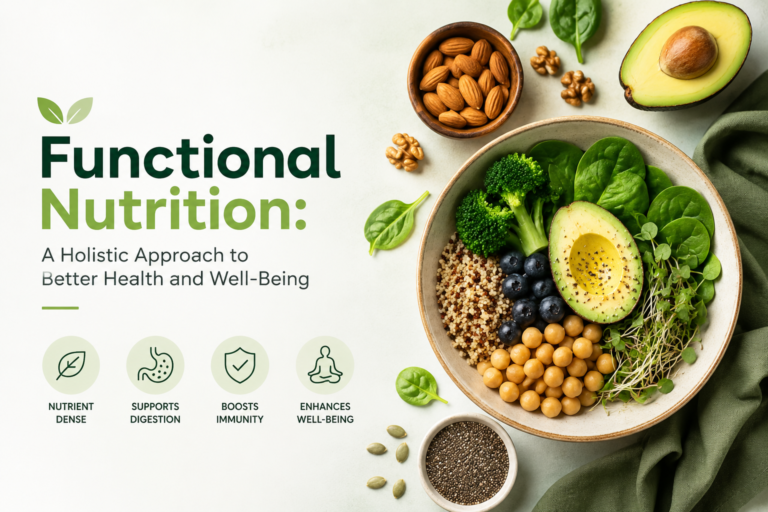
A healthy immune system depends on a variety of nutrients that come from whole foods. Instead of focusing on one “superfood,” aim for a colorful and balanced diet that includes fruits, vegetables, whole grains, lean proteins, and healthy fats.
Some nutrient-rich foods to include are:
- Citrus fruits like oranges and lemons
- Leafy greens such as spinach
- Broccoli and bell peppers
- Berries and kiwi
- Nuts and seeds
- Lentils, beans, and chickpeas
- Eggs and fish
Eating a wide variety of foods helps your body receive essential vitamins, minerals, fiber, and antioxidants that contribute to overall wellness.
2. Stay Hydrated
Water plays an important role in nearly every function of the body, including transporting nutrients and supporting healthy circulation. While hydration alone won’t prevent illness, staying well-hydrated helps your body function efficiently.
Drink water regularly throughout the day and increase your intake during hot weather or after exercise. Water-rich foods like watermelon, cucumber, oranges, and soups can also contribute to your daily fluid needs.
3. Prioritize Quality Sleep
Sleep is one of the most overlooked aspects of good health. During sleep, your body repairs tissues and supports many important biological processes, including those involved in normal immune function.
Most adults should aim for 7 to 9 hours of quality sleep each night.
To improve your sleep:
- Go to bed and wake up at the same time every day.
- Avoid screens for at least an hour before bedtime.
- Keep your bedroom cool, quiet, and dark.
- Limit caffeine late in the day.
Consistent, restful sleep can leave you feeling more energized and better prepared for daily challenges.
4. Stay Physically Active
Regular exercise benefits your heart, muscles, mental health, and immune system. Moderate physical activity helps maintain overall health and supports normal immune function.
You don’t have to spend hours in the gym. Activities like brisk walking, cycling, swimming, yoga, or dancing are all excellent choices.
Experts recommend at least 150 minutes of moderate-intensity exercise per week, along with strength-training exercises on two or more days.
5. Manage Stress Effectively
Everyone experiences stress, but chronic stress can affect both physical and mental well-being. Finding healthy ways to relax can support your overall health.
Simple stress-management techniques include:
- Meditation
- Deep breathing exercises
- Yoga
- Spending time outdoors
- Reading
- Listening to music
- Practicing gratitude
Even taking a short walk or spending a few quiet minutes away from screens can help you recharge.
6. Include Immune-Supporting Nutrients
Several vitamins and minerals contribute to the normal function of the immune system.
Vitamin C is found in oranges, guava, amla, strawberries, broccoli, and bell peppers.
Vitamin D can be obtained through safe sunlight exposure, fortified dairy products, eggs, and fatty fish.
Zinc is present in pumpkin seeds, lentils, chickpeas, nuts, and whole grains.
Rather than relying on supplements, try to meet your nutritional needs through a balanced diet whenever possible. If you think you may have a nutrient deficiency, speak with a qualified healthcare professional.
7. Support Your Gut Health
A healthy digestive system plays an important role in overall wellness. Eating foods that support a balanced gut microbiome may also contribute to normal immune function.
Include probiotic-rich foods such as yogurt and traditional fermented foods, along with prebiotic foods like bananas, garlic, onions, oats, and apples.
Eating enough fiber from fruits, vegetables, legumes, and whole grains also supports digestive health.
8. Avoid Harmful Habits
Certain lifestyle habits can negatively affect your overall health over time.
If you smoke, consider seeking support to quit. Smoking can damage the respiratory system and increase the risk of several health conditions.
Similarly, excessive alcohol consumption may interfere with normal body functions. Moderation is key for maintaining long-term wellness.
9. Spend Time Outdoors
Fresh air and regular exposure to natural environments can contribute to both physical and mental well-being. Spending time outdoors also encourages physical activity and, in many cases, helps your body produce vitamin D through sunlight exposure.
Whether it’s a morning walk, gardening, or simply relaxing in a park, incorporating outdoor time into your routine can support a healthier lifestyle.
10. Build Healthy Habits That Last
Supporting your immune system isn’t about following a strict routine for a few weeks—it’s about making healthy choices consistently throughout the year.
Simple daily habits include:
- Eat plenty of fruits and vegetables.
- Drink enough water.
- Exercise regularly.
- Sleep well.
- Manage stress.
- Practice good hygiene.
- Stay up to date with recommended vaccinations.
- Schedule routine health check-ups.
Small improvements made consistently often have a greater impact than dramatic changes that are difficult to maintain.
Final Thoughts
Your immune system works every day to help protect your health, but it depends on the care you give your body. While no food, supplement, or lifestyle habit can guarantee protection from illness, maintaining a balanced diet, staying active, getting quality sleep, managing stress, and staying hydrated all contribute to normal immune function and overall well-being.
Instead of searching for quick fixes, focus on building healthy routines that you can maintain throughout the year. These everyday choices not only support your immune system but also improve your energy, mood, and quality of life.
At PureLifeWorld, we believe that good health begins with informed decisions and sustainable habits. By taking small steps every day, you’re investing in a healthier future for yourself and your family. Do consult your Doctor before starting a new diet or excercise,