
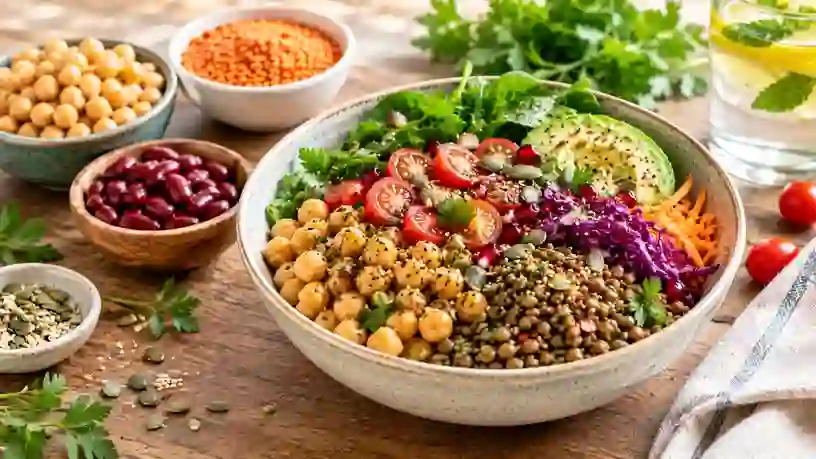
The Humble Foods Changing Healthy Eating in 2026: Why Beans, Lentils and Chickpeas Deserve a Place on Your Plate
There is a quiet shift happening in the way people think about healthy eating. Instead of searching endlessly for expensive superfoods, complicated diets or the latest wellness supplement, many people are rediscovering something much simpler: beans, lentils and chickpeas.
These everyday ingredients have been part of traditional diets for generations. From Indian dal and Mediterranean chickpea salads to Mexican bean dishes and Middle Eastern hummus, legumes have nourished communities across the world long before healthy eating became a global conversation.
Today, they offer something modern diets often promise but do not always deliver: affordable nutrition, versatility and the ability to turn an ordinary meal into something genuinely nourishing.
But what makes these humble foods so valuable, and how can we make them a regular part of a healthier life?
A. Why Are Beans, Lentils and Chickpeas Getting More Attention?
Healthy eating is increasingly about more than counting calories. People are paying greater attention to protein, fibre, digestive health, energy levels and the long-term quality of their diets.
Legumes fit naturally into this broader approach.
Beans, lentils and chickpeas provide plant-based protein, dietary fibre, complex carbohydrates and several important vitamins and minerals. Depending on the variety, they can also provide iron, folate, potassium and magnesium.
Perhaps their greatest advantage is that they do several nutritional jobs at once.
Instead of buying separate products for protein, fibre and other nutrients, you can prepare a simple bowl of lentils or chickpeas and obtain a combination of these nutrients in one meal.
They are also remarkably adaptable. They can be added to soups, salads, curries, wraps, stews and even homemade dips.
For anyone trying to eat better without dramatically changing their lifestyle or food budget, this is an excellent place to begin.
B. The Nutritional Benefits That Make These Foods Worth Eating
1. They provide plant-based protein
Protein helps the body build and repair tissues and supports normal muscle function. It is also important for maintaining strength as we grow older.
Beans, lentils and chickpeas are useful protein sources, particularly for people who eat less meat or follow vegetarian and vegan diets.
They can be combined with whole grains, nuts, seeds and other protein-rich foods as part of a varied diet.
A bowl of dal with whole-grain roti, for example, is a familiar way to bring plant protein into an everyday meal.
The important point is not to treat legumes as a miracle food. It is to recognise that regular, balanced meals can make meeting nutritional needs easier.
2. Their fibre supports digestive health
Fibre is one of the most important reasons to include legumes in your diet.
It helps support regular bowel movements, and certain types of fibre are used by beneficial gut microbes. Some of these microbes produce short-chain fatty acids, compounds involved in maintaining the health of the intestinal environment.
A fibre-rich diet can also help support healthy cholesterol levels and better blood sugar management.
Beans and lentils are especially useful because they contain a mixture of fibre types.
However, there is one practical consideration: if your usual diet contains little fibre, suddenly eating large portions of legumes may cause bloating or gas.
Start with smaller servings, drink enough water and increase your intake gradually. Rinsing canned beans and cooking dried legumes thoroughly may also make them easier to incorporate into meals.
3. They can help you feel satisfied for longer
Have you ever eaten breakfast and felt hungry again surprisingly quickly?
Meals that contain a combination of protein, fibre and minimally processed carbohydrates can help you feel satisfied for longer. Legumes contribute to all three aspects of a balanced meal.
Adding chickpeas to a salad, for instance, can make it more substantial than a bowl of vegetables alone.
Similarly, adding lentils to a vegetable soup can turn a light starter into a more filling lunch.
This may be useful for people trying to manage their eating habits without relying on restrictive diets.
The goal is not to eat as little as possible. It is to build meals that nourish the body and leave you comfortably satisfied.
4. They support a heart-conscious eating pattern
Beans and lentils contain soluble fibre, which can help lower LDL cholesterol when consumed as part of an appropriate diet.
They are also naturally low in saturated fat and contain no dietary cholesterol.
Replacing some meals based on fatty or heavily processed meats with bean- or lentil-based alternatives can improve the overall nutritional profile of your diet.
Of course, no single food guarantees heart health. Regular physical activity, sleep, not smoking and the wider quality of your diet also matter.
Still, making legumes a regular part of your meals is a practical step in the right direction.
C. Three Everyday Foods and How to Enjoy Them
1. Lentils: The everyday nutritional powerhouse
Lentils are among the easiest legumes to prepare. Many varieties cook relatively quickly, and they work beautifully in both traditional and contemporary dishes.
You can prepare a simple lentil soup, cook Indian dal with vegetables, or add cooked lentils to a grain bowl with greens and a lemon dressing.
For a balanced lunch, try combining lentils with brown rice or whole-grain roti, vegetables and a small serving of yoghurt if you eat dairy.
Different lentil varieties offer slightly different textures and cooking times, so choose the one that suits your recipe.
2. Chickpeas: Small, versatile and satisfying
Chickpeas have travelled comfortably across cuisines.
They appear in hummus, falafel, chana masala, roasted snacks and Mediterranean salads.
For a quick meal, combine cooked chickpeas with chopped cucumber, tomato, onion, fresh herbs and lemon juice. Add olive oil or another unsaturated oil, according to your preference.
You can also roast cooked chickpeas with spices for a crunchy snack, although the texture will vary depending on how they are prepared.
Canned chickpeas are a convenient option. Drain and rinse them before use to reduce some of the added sodium.
3. Beans: A simple way to make meals more nourishing
Kidney beans, black beans, white beans and many other varieties offer different flavours and textures.
They work well in soups, stews, grain bowls and vegetable-based dishes.
Try adding black beans to a whole-grain wrap with vegetables, or mix white beans into a tomato and vegetable soup.
One important safety note: dried kidney beans must be soaked and boiled properly according to food-safety guidance. Do not cook raw kidney beans only in a slow cooker, because inadequate temperatures may not destroy their naturally occurring toxin. Canned kidney beans have already been cooked and can be used after draining and rinsing.
D. Five Simple Ways to Eat More Legumes This Week
Healthy habits become easier when they fit into your existing routine.
Here are five ways to begin without transforming your kitchen or spending hours preparing food.
1. Add lentils to one meal each day.
Start with a familiar dish such as dal, lentil soup or a lentil-and-vegetable bowl.
2. Keep cooked chickpeas ready.
Refrigerate properly cooked chickpeas for convenient use in salads, wraps and curries, following safe food-storage guidance.
3. Replace some processed snacks.
Try a small serving of roasted chickpeas or another minimally processed snack instead of making packaged snacks your everyday default.
4. Mix legumes with vegetables and whole grains.
Combining these foods creates varied textures, flavours and nutrients. Add herbs, spices, lemon or other seasonings to keep meals interesting.
5. Experiment with a different cuisine.
Try Mediterranean chickpea salad, Mexican-style black beans, Indian moong dal or a simple bean stew. Healthy eating becomes easier to sustain when it is enjoyable.
You do not need to follow every suggestion at once. Even one additional legume-based meal each week is a useful starting point.
E. Are There Any Downsides to Eating Beans and Lentils?
For most people, legumes can be part of a healthy and varied diet. However, a few practical considerations are worth keeping in mind.
Digestive discomfort: Beans and lentils can cause gas and bloating, especially when you increase your intake suddenly. Begin with small portions and build up gradually.
Preparation matters: Dried legumes need appropriate soaking and cooking. Follow specific food-safety guidance for each variety, particularly kidney beans.
Sodium levels: Some canned products contain added salt. Look for lower-sodium options when available, and drain and rinse canned legumes.
Individual dietary needs: People with certain digestive conditions or specific dietary restrictions may need to adjust their choices and portion sizes. If you have a medical condition that requires a specialised diet, seek advice from a qualified healthcare professional.
The lesson is simple: healthy eating is not about forcing yourself to consume a particular food. It is about finding nutritious options that work for your body, preferences and everyday life.
F. A Simple One-Day Meal Plan to Get Started
You do not need a complicated diet chart to enjoy the benefits of legumes. Here is one example of how they can fit into a normal day.
Breakfast: Oats with yoghurt, fruit and a few nuts.
Lunch: Lentil dal with whole-grain roti or rice, accompanied by vegetables.
Afternoon snack: A small serving of roasted chickpeas or fruit.
Dinner: A bean and vegetable soup, or a chickpea salad with whole grains and a source of healthy fat.
This is only an example, not a personalised nutrition plan. Appropriate portions depend on your energy needs, activity level, preferences and overall diet.
Notice what is missing: expensive powders, strict rules and the pressure to eat perfectly.
The emphasis is on variety, balance and consistency.
G. The Bigger Wellness Lesson: Sometimes, Better Health Begins With Simplicity
Modern wellness culture can make healthy living seem complicated. One week, the conversation revolves around a new supplement. The next, it is about an unfamiliar ingredient or a strict eating schedule.
Yet some of the most useful foods have been sitting in our kitchens all along.
Beans, lentils and chickpeas are not new discoveries. Their renewed relevance comes from how well they fit the needs of modern life: accessible nutrition, plant-based eating, flexible cooking and meals that can be shared across cultures.
They also remind us that wellness is not necessarily about making dramatic changes. It can begin with a small decision repeated over time.
A little more fibre. A balanced lunch. A home-cooked meal instead of an overly processed alternative. A willingness to explore foods that nourish us without making everyday life more complicated.
These changes may seem modest, but sustainable habits are often built from modest beginnings.
The next time you prepare a meal, consider adding a handful of chickpeas to your salad or making lentils the centrepiece of your lunch.
You may not need another superfood discovery. You may simply need to rediscover the foods that have been nourishing people for generations.
PureLifeWorld believes that everyday wellness begins with informed choices, balanced habits and a healthier relationship with the food we eat.