Wellness Burnout in 2026: Why Slowing Down May Be the Healthiest Lifestyle Trend
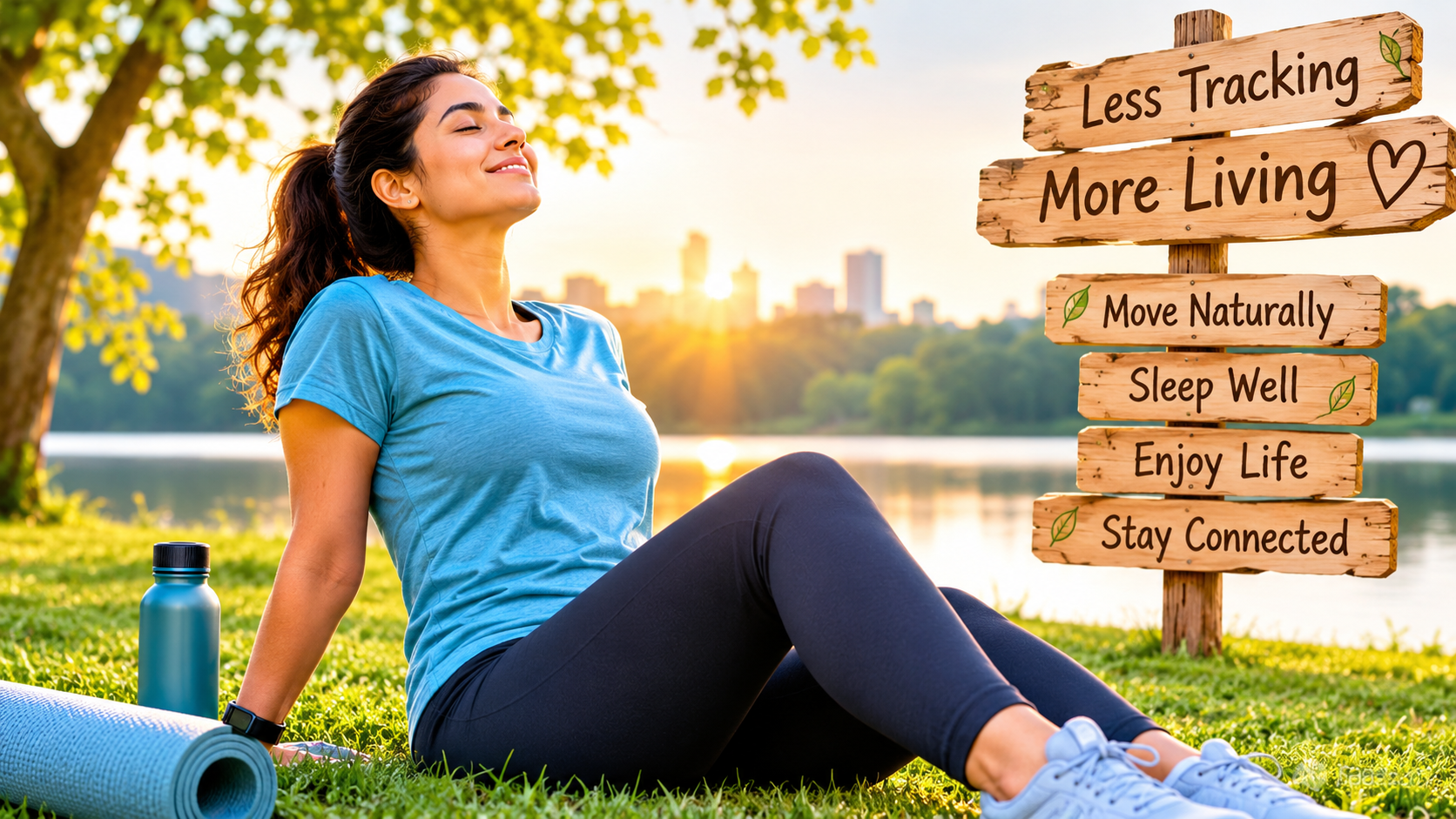
From fitness trackers and sleep scores to strict morning routines, the pressure to optimise every part of life is changing how people think about wellbeing. In 2026, a growing conversation around wellness burnout is encouraging people to embrace simpler habits, meaningful connections and a healthier relationship with technology.
What if a healthier life did not require doing more?
For years, wellness culture has encouraged people to improve almost everything about their daily routines. Track your steps, optimise your sleep, follow a strict diet, meditate regularly and make every morning more productive. While many of these habits can support wellbeing, the constant pressure to improve can sometimes become exhausting.
This contradiction is at the heart of the growing conversation around wellness burnout. Instead of treating health as an endless improvement project, more people are exploring a simpler approach that makes room for rest, enjoyment and human connection.
The Global Wellness Summit included the backlash against over-optimisation among its wellness trend predictions for 2026. The trend reflects an important question for modern lifestyles: are our wellness routines helping us enjoy life, or have they become another source of pressure?
The answer may lie in making wellbeing more personal, flexible and sustainable.
Why Modern Wellness Can Feel Exhausting
Technology has made it easier than ever to monitor daily habits. Fitness trackers measure activity, wearable devices estimate sleep patterns, and smartphone applications offer reminders to exercise, hydrate and relax.
These tools can provide useful information. However, constant measurement can also make ordinary experiences feel like tests that must be passed.
A missed step target may create unnecessary guilt. A disappointing sleep score can influence how someone feels about an otherwise comfortable night. Even relaxation can become another task to complete.
This is where wellness can lose its original purpose. Instead of listening to their bodies and recognising their needs, people may become overly focused on meeting numerical targets.
A healthier lifestyle does not require abandoning technology or healthy routines. It requires understanding that measurements offer only part of the picture. Physical comfort, emotional wellbeing, relationships and enjoyment also matter.
The goal should be to use wellness tools when they genuinely help, rather than allowing them to dictate how every day should look.
1. Choose Sustainable Habits Over Perfect Routines
Social media is full of elaborate morning routines featuring early wake-up calls, meditation, workouts, journalling and carefully prepared breakfasts. These routines may suit some people, but they are not essential ingredients of a healthy life.
Every individual has different responsibilities, working hours, health needs and personal preferences. A routine that works for one person may be unrealistic for another.
Instead of copying an influencer’s schedule, identify habits that fit your circumstances. A short morning walk, a simple breakfast, a few minutes of quiet reflection or a regular bedtime may be enough to establish a useful starting point.
The key is sustainability.
Choose actions that are realistic enough to repeat, even during busy weeks. If a routine becomes stressful, simplify it. If you miss a day, return to it when possible rather than treating the interruption as failure.
Healthy living should adapt to real life, not require real life to revolve around a rigid schedule.
2. Rediscover the Joy of Everyday Movement
Exercise is often associated with gym memberships, demanding workouts and measurable progress. But physical activity can be much simpler.
Walking, gardening, dancing, cycling or playing a recreational sport can make movement part of an enjoyable day. These activities can also provide opportunities to spend time outdoors or connect with other people.
Walking is particularly accessible for many individuals because it can be incorporated into an existing routine. A short stroll during a break, an evening walk with a friend or a walk to a nearby shop can help reduce prolonged sitting.
Adults are generally advised to aim for at least 150 minutes of moderate-intensity physical activity each week, alongside muscle-strengthening activities on two days, when appropriate. People can build towards these recommendations gradually according to their abilities.
However, movement does not need to become another competition. The aim is to support physical health and create habits that feel manageable, not to chase a perfect score every day.
3. Protect Sleep Without Obsessing Over Sleep Scores
Sleep is essential to everyday wellbeing, yet modern schedules and digital distractions can make adequate rest difficult.
Wearable devices have introduced more people to sleep tracking, but becoming overly concerned about nightly scores can add anxiety rather than reassurance.
A single reading cannot fully describe sleep quality or how someone feels. Consumer devices also estimate sleep characteristics and should not be treated as diagnostic tools.
Instead, focus on habits that support consistent rest. Allow enough time for sleep, maintain reasonably regular sleeping and waking times, and create a relaxing evening environment.
Reading, listening to calming music or reducing screen distractions before bed may help establish a more comfortable transition into sleep.
Adults generally need at least seven hours of sleep each night, although individual requirements vary.
If persistent sleep problems affect your daily life, seek advice from a healthcare professional rather than relying exclusively on tracking applications or lifestyle tips.
4. Make Human Connection a Daily Wellness Priority
A healthy lifestyle involves more than exercise, food and sleep. Relationships can also play an important role in how people experience everyday life.
Despite the convenience of digital communication, people can remain socially disconnected even while interacting with others online throughout the day.
Meaningful connection often begins with ordinary moments: calling a friend, sharing a meal, listening carefully during a conversation or spending time with family without constant interruptions.
You do not need a packed social calendar to strengthen relationships. A few supportive connections and regular opportunities for conversation can provide valuable companionship.
Try creating a small phone-free window during meals or arranging a weekly walk with someone you enjoy spending time with.
For people living far from loved ones, video calls and online communities can be valuable ways to maintain relationships. The objective is not to reject digital communication but to use it to support genuine connection.
5. Create a Healthier Relationship With Technology
Digital tools can support a balanced lifestyle, but their usefulness depends on how they fit into everyday life.
Repeated notifications, endless scrolling and the expectation of immediate responses can fragment attention and make it harder to relax.
A practical approach to digital wellbeing begins by identifying the distractions that affect you most.
You might switch off non-essential notifications, avoid checking messages during conversations or keep your phone away during part of the evening.
It is also worth reviewing the wellness applications you use. Keep those that help you make informed decisions, and reconsider those that create persistent pressure or unnecessary worry.
Technology should support personal wellbeing rather than become the authority on whether you have had a successful day.
6. Make Space for Joy Without Measuring It
Wellness is frequently discussed through numbers: calories consumed, minutes exercised, hours slept and goals achieved. Yet some of life’s most valuable experiences cannot be measured meaningfully.
Listening to music, enjoying a favourite meal, spending time in nature, reading for pleasure or laughing with friends can bring enjoyment without serving a productivity goal.
These experiences are not distractions from a healthy lifestyle. They are part of what makes life fulfilling.
Try making room for one activity you enjoy without turning it into a challenge or measuring its benefits. Allow yourself to experience it without feeling the need to document it, share it online or improve it.
Rest and enjoyment do not eliminate the need for healthy habits. They help create a more balanced approach to everyday living.
How to Start Living Well With Less Pressure
You do not need to abandon your current routine to make wellness feel more manageable. Begin with one small adjustment.
- Simplify your day: Choose one realistic habit instead of following an elaborate checklist.
- Move in ways you enjoy: Find physical activities that suit your interests and abilities.
- Protect your rest: Create a calming evening routine and allow adequate time for sleep.
- Strengthen relationships: Make time for conversations without unnecessary distractions.
- Review your digital habits: Keep technology that helps and reduce avoidable interruptions.
- Allow flexibility: Adjust routines when work, family responsibilities or health needs change.
These steps are not another formula for perfect living. They are opportunities to make daily habits more supportive and less demanding.
The Future of Wellness May Be More Human
The growing conversation around wellness burnout highlights a simple distinction: looking after yourself should not mean constantly trying to improve yourself.
Structured exercise, nutritious food, sleep tracking and wellness applications can all have a place in a healthy lifestyle. The challenge is recognising when these practices are useful and when they begin creating unnecessary pressure.
A balanced approach leaves room for measurable goals as well as unplanned experiences, productive days as well as quiet evenings, and personal routines as well as meaningful relationships.
You can take a walk without counting every step. You can enjoy a meal without turning it into a calculation. You can spend an evening with loved ones without checking your phone.
Perhaps the healthiest lifestyle change in 2026 is learning that wellbeing is not a competition. It is about building a life that supports your health, nurtures your relationships and leaves enough room to enjoy the present.