What We’re Actually Eating Right Now: The Real Food Trends Taking Over in 2026
In a world where wellness often feels overwhelming—filled with strict rules, wearable trackers, and endless biohacking supplements—deciding what to make for lunch can be exhausting. Many of us are asking a simple question: When did eating healthily become so complicated?
Fortunately, a welcome shift is happening in food culture. We are moving away from hyper-restrictive diets, chalky synthetic powders, and extreme rules. Instead, people are quietly returning to real, whole foods that support the mind and body from the inside out.
Today’s most meaningful healthy food trends are not about deprivation or chasing perfection. They are about choosing nourishing, sustainable ingredients that help us feel grounded, energized, and balanced in our everyday lives.
Here is a look at the real, globally trending foods making a positive difference in how we eat—and why they are actually worth making room for on your plate.
1. Postbiotics and “Super-Fiber”: The New Gut Health Era
For years, nutrition conversations revolved almost entirely around counting protein and cutting carbs. Today, we are finally recognizing the unsung hero of holistic well-being: fiber.
Scientists and everyday eaters alike are realizing that gut health is directly linked to emotional well-being, mental clarity, and sustained energy. When we feed our gut microbiome with rich, diverse plant fibers, our bodies produce beneficial compounds (often called postbiotics) that soothe inflammation and support our mood.
Instead of relying on processed fiber bars or synthetic supplements, people are returning to humble, time-tested staples:
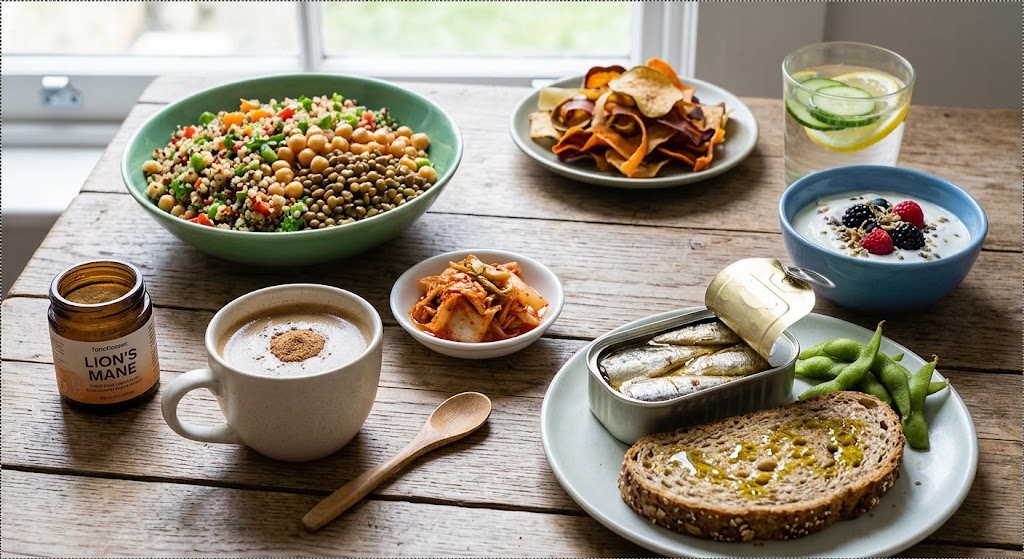
- Traditional Fermented Foods: Kimchi, sauerkraut, kefir, and traditional skyr that naturally balance gut flora.
- Resistant Starch & Whole Grains: Oats, cooked-and-cooled potatoes, millet, and sorghum.
- Everyday Pulses: Beans, chickpeas, and lentils—longtime foundations of Mediterranean and Asian diets—are reclaiming their place as affordable, high-fiber powerhouses.
Why it matters: Prioritizing 30 grams of varied plant fiber a day isn’t a fad diet; it is one of the simplest ways to nourish both your gut and your mind.
2. Functional Mushrooms: Gentle Support for Mind and Focus
With busy schedules and constant digital distractions, many of us struggle with mental fatigue and mid-day crashes. Rather than reaching for a third cup of coffee, many are turning to functional adaptogenic mushrooms to cultivate calm focus and steady stamina.
- Lion’s Mane: Revered for supporting cognitive function, memory, and focus, this mushroom is easily blended into morning teas, matchas, or broths.
- Reishi & Cordyceps: Valued in traditional wellness practices for helping the body adapt to daily stress and supporting natural physical endurance without the jittery heart rate.
Incorporating these adaptogens into daily meals is less about looking for a quick fix and more about offering your nervous system gentle, long-term support.
3. High-Protein Whole Foods: Moving Away from Ultra-Processed Bars
Protein remains an essential pillar of physical vitality, helping build muscle, stabilize blood sugar, and keep us feeling full. However, the way we consume protein is undergoing a much-needed evolution.
Many are trading heavily processed, additive-filled protein bars for simple, minimally processed whole foods:
| Whole Food Source | Why It Belongs in Your Kitchen | Easy Ways to Enjoy It |
| Cottage Cheese & Skyr | Rich in protein, high in calcium, and naturally probiotic-rich. | Blended into creamy savory dips, salad dressings, or topped with berries. |
| Sustainably Sourced Tinned Fish | Packed with essential Omega-3 fatty acids, vitamin D, and protein. | Smashed onto whole-grain sourdough with a drizzle of extra virgin olive oil and lemon. |
| Edamame & Plant Proteins | A complete plant-based protein source full of clean fiber. | Steamed as a quick afternoon snack or tossed into colorful grain bowls. |
4. Upcycled & “Beauty-from-Within” Foods
There is a growing awareness that what we put on our skin matters far less than what we feed our bodies. Ingredients rich in antioxidants, healthy fats, and hydrating minerals are becoming the ultimate “skincare routine.”
- Anti-Inflammatory Healthy Fats: Extra virgin olive oil, walnuts, and seeds that nourish the skin barrier and protect against cellular stress.
- Hydration-Rich Whole Foods: Cucumbers, citrus fruits, and watermelon that deliver natural electrolytes.
- Upcycled Snacking: Brands and home cooks are increasingly using fruit pulp, vegetable peels, and spent grains to create high-fiber crackers and chips—reducing food waste while maximizing nutrition.
How to Work These Trends Into Your Everyday Routine
You don’t need to transform your entire diet overnight or buy expensive ingredients to live well. True wellness is built through small, intentional choices made over time:
- Add Fiber First: Try tossing a handful of chickpeas, lentils, or spinach into your favorite soup, pasta sauce, or dinner bowl.
- Choose Real Snacks: Keep simple ingredients like walnuts, fruit, or edamame nearby instead of packaged, heavily processed snacks.
- Listen to Your Body: Pay attention to how different foods make you feel an hour after eating. Food should leave you feeling refreshed and sustained, not sluggish.
Over to You
Healthy eating doesn’t have to be complicated, expensive, or restrictive. What is one small, whole-food addition you are enjoying in your routine lately? Let us know in the comments below!