The “Second Screen” Habit: Why We Watch TV While Scrolling Our Phones
Reclaiming Single-Task Joy and Mental Rest in an Era of Dopamine Stacking
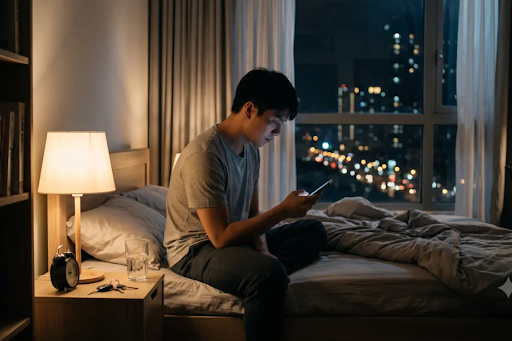
Picture a typical evening on the sofa. A critically acclaimed series is playing on the television, the lighting is dimmed for relaxation, and the workday is officially over. Yet within five minutes of pressing play, your hand drifts toward your smartphone.
Suddenly, you are watching a dramatic scene unfold on the big screen while simultaneously scrolling through short-form videos or checking messages on the small screen in your lap. You rewind the show twice because you missed a crucial line of dialogue. Even so, you still cannot put the phone down.
This behavior—widely recognized by psychologists as the second screen habit—has quietly become the default way millions of people unwind. We tell ourselves we are relaxing. However, when we finally turn off both screens at midnight, our eyes feel strained, our minds feel oddly wired, and we wake up the next morning feeling as though we never truly rested.
Understanding why our brains crave two screens at once—and how to gently break the second screen habit—is one of the most rewarding shifts you can make for your mental clarity and everyday peace.
1. The Biology Behind the Second Screen Habit and Dopamine Stacking
To understand why a single movie or book can suddenly feel “too slow,” we have to look at how modern digital platforms train our reward pathways.
Every time you swipe through a social feed or check a notification, your brain releases small, unpredictable bursts of dopamine—the neurotransmitter governing motivation and novelty-seeking. Short-form algorithms are engineered around variable reward schedules, delivering rapid hits of humor, outrage, or surprise every few seconds.
In contrast, traditional films and television shows follow a slower narrative pace. Stories require setup, quiet dialogue, and character development before reaching an emotional payoff. To a brain conditioned by rapid feeds, those quiet bridges register as mild boredom.
Consequently, we instinctively reach for a smartphone to resolve that discomfort—a behavior neuroscientists call dopamine stacking. By layering two streams of stimulation together, we force the brain into continuous high-novelty mode. Over time, this raises our baseline stimulation threshold, making single-focus activities like reading or dinner conversation feel strangely restless.
2. Why “Multitasking Rest” Leaves You Exhausted
Many people defend the second screen habit as harmless multitasking or a way to stay productive while unwinding. In reality, the human prefrontal cortex cannot genuinely process two streams of rich information simultaneously. Instead, it engages in rapid task-switching—flipping attention back and forth between the television plot and the smartphone feed dozens of times per minute.
Every cognitive switch carries a measurable metabolic cost:
- Fragmented Attention: Your working memory never fully settles into either experience, preventing the deep immersion that makes storytelling genuinely restorative.
- Nervous System Activation: While a warm living room signals physical safety, rapid scrolling keeps your visual cortex scanning for novelty or threat. As a result, cortisol stays subtly elevated when your body should be winding down for sleep.
- Loss of Emotional Resonance: Splitting your attention across two screens dulls your capacity to feel deeply moved or absorbed by what you are watching. Entertainment becomes background noise rather than genuine enjoyment.
Therefore, instead of replenishing your mental battery after a demanding day, passive dual-screen consumption leaves your cognitive reserves quietly depleted.
3. How Boredom Fuels the Second Screen Habit
At the root of the second screen habit lies a subtle modern reflex: boredom intolerance.
The moment a commercial break begins, a scene slows down, or a conversation pauses, our thumbs automatically reach for a device to fill the gap. In effect, we have begun treating micro-moments of stillness as uncomfortable voids that require immediate digital rescue.
Yet unstimulated pauses are precisely when the brain activates its Default Mode Network (DMN)—the neural system responsible for memory consolidation, creative insight, and emotional processing. When we plug every quiet second with a glowing screen, we rob our minds of the breathing room required to digest the events of our day.
Learning to sit through a slow thirty-second scene without checking your phone is not a test of rigid self-control. Rather, it is an act of giving your nervous system permission to slow down.
4. Practical Ways to Break the Second Screen Habit
Overcoming the second screen habit does not require throwing away your devices or adopting strict digital asceticism. Instead, you can restore single-task enjoyment through simple, friction-based shifts in your evening environment:
- Create Physical Distance During Shows: Before pressing play on a movie or show, place your smartphone on a charger across the room or on a hallway table. Adding just ten feet of distance interrupts the unconscious muscle memory of reaching for it during slow moments.
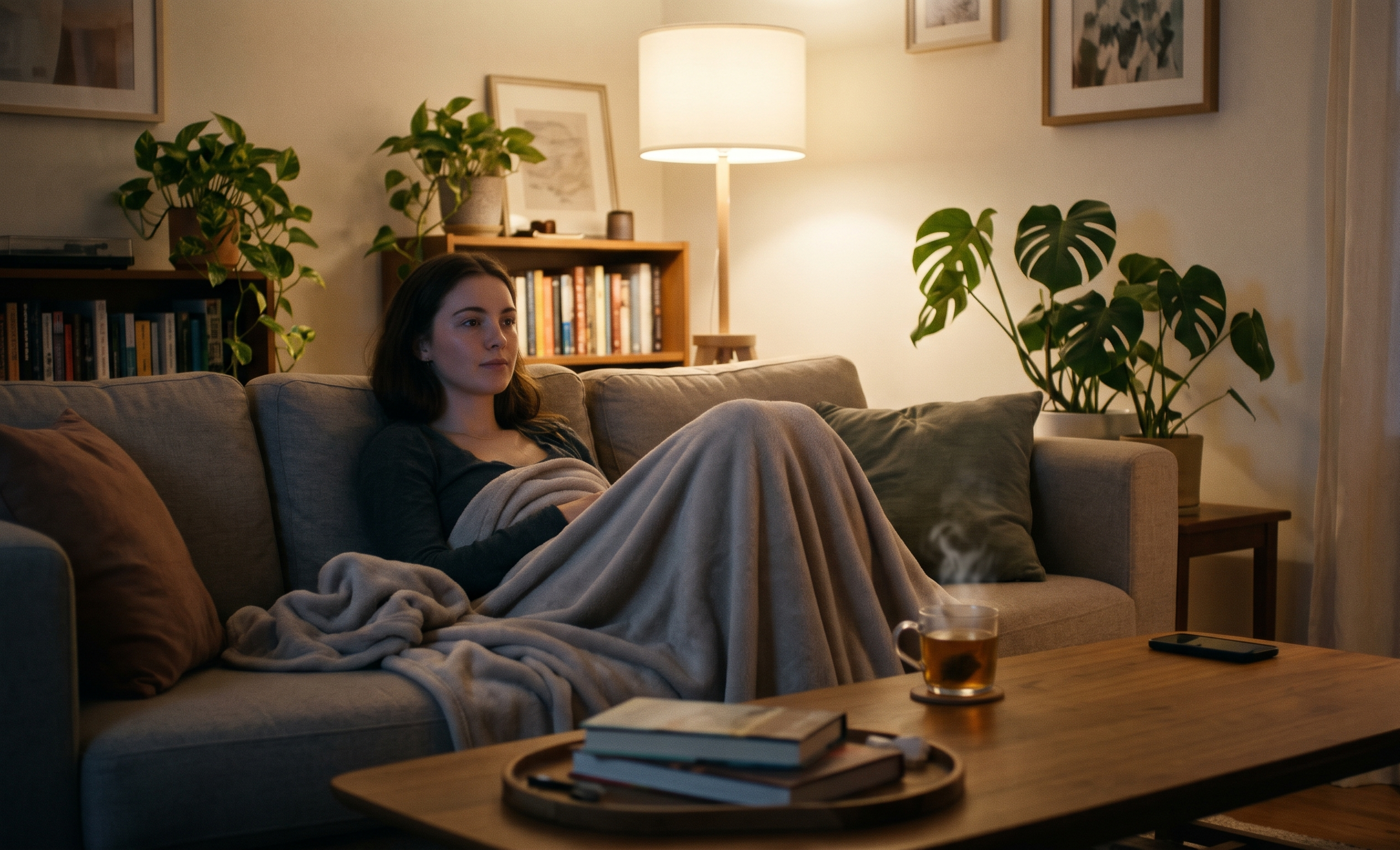
- Redefine Entertainment as an Appointment: Treat a film, match, or episode the way you would a theater visit. Dim the lights, grab a warm drink beforehand, and commit to experiencing one story fully from start to finish.
- Keep Your Hands Occupied Naturally: Part of the phone urge is purely tactile because our hands want something to hold. Replace the device with a mug of herbal tea, a stress ball, sketching, or gentle stretching on the rug while you watch.
- Practice the “One-Tab” Rule During the Day: Single-tasking at night becomes much easier when you practice it during daylight hours. While working or studying, close unnecessary browser tabs and silence non-urgent alerts so your attention span stays resilient.
Frequently Asked Questions
Why do I always scroll on my phone while watching TV?
Scrolling while watching television—known as the second screen habit—happens because rapid social media feeds train your brain to expect constant dopamine hits. Slower-paced shows can trigger mild boredom, prompting your brain to seek extra stimulation from your smartphone.
Is the second screen habit bad for your brain?
Constantly splitting your attention between two screens forces your brain into rapid task-switching. Over time, this drains mental energy, reduces memory retention, and keeps your nervous system alert when it should be resting.
How can I break the second screen habit at night?
Start by placing your phone in another room or across the living room before starting a show. Dimming the lights and keeping a warm cup of tea nearby also satisfies the physical urge to hold something while you watch.
Returning to Depth Over Noise
Modern life already asks us to divide our attention across dozens of alerts, deadlines, and responsibilities from morning until night. Naturally, your evenings should not feel like another shift of information management.
When you set your phone aside and allow yourself to become completely absorbed in a single film or an unhurried evening at home, something subtle shifts. Time feels richer, stories stay with you longer, and your mind prepares naturally for deep, uninterrupted sleep.
You do not need two screens to feel entertained. Often, giving your full presence to just one thing is where real rest begins.