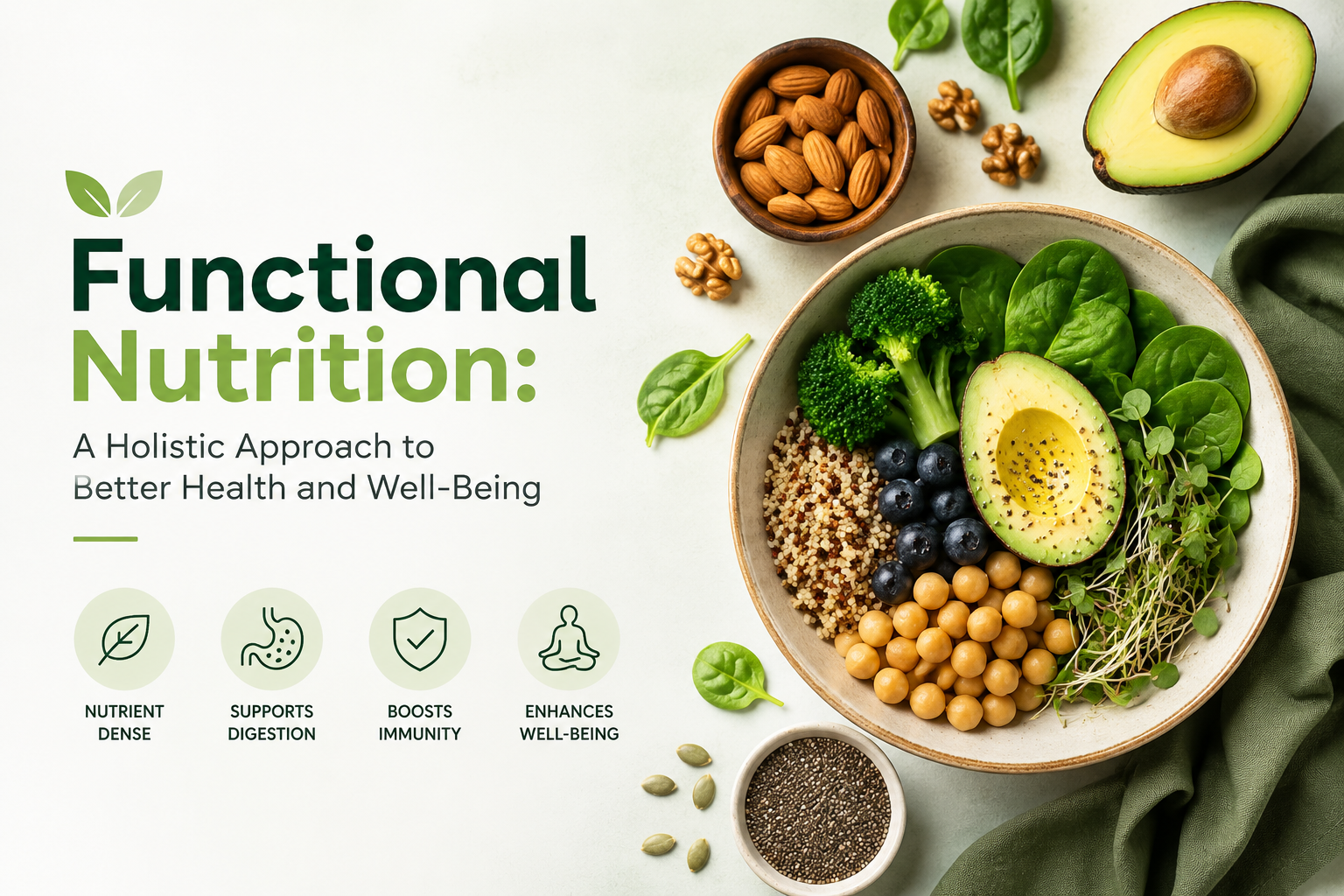
Functional Nutrition: A Holistic Approach to Better Health and Well-Being
In recent years, people have become more conscious of what they eat, but healthy eating is about much more than simply counting calories or following the latest diet trend. The food we choose every day has the power to nourish our bodies, strengthen our immune system, improve our mood, and even reduce the risk of chronic diseases. This is the foundation of functional nutrition—a personalized and holistic approach to eating that focuses on supporting the body’s natural functions through wholesome, nutrient-rich foods.
Unlike restrictive diets that promise quick results, functional nutrition encourages sustainable lifestyle changes. It recognizes that every individual is unique and that optimal health begins by understanding how food interacts with the body. Whether your goal is to improve digestion, boost energy, manage stress, or support long-term wellness, functional nutrition offers a practical path toward better health.
What Is Functional Nutrition?
Functional nutrition is a science-based approach that looks beyond calories and nutrients. It focuses on identifying the root causes of health concerns and using food as a tool to support the body’s natural healing processes.
Instead of following a one-size-fits-all diet, functional nutrition considers factors such as age, lifestyle, stress levels, sleep, physical activity, genetics, and existing health conditions. The aim is to create a personalized nutrition plan that meets your body’s specific needs.
Simply put, functional nutrition asks an important question: “How can the food I eat help my body function at its best?”
Why Functional Nutrition Matters
Our bodies are incredibly intelligent. Every cell depends on the nutrients we consume to produce energy, repair tissues, regulate hormones, and fight infections. When we consistently eat highly processed foods that lack essential nutrients, the body struggles to perform these vital functions efficiently.
Functional nutrition helps restore balance by encouraging a diet rich in whole foods such as fruits, vegetables, whole grains, legumes, healthy fats, lean proteins, herbs, and spices. These foods provide vitamins, minerals, antioxidants, fiber, and phytochemicals that support overall health.
Rather than focusing on temporary weight loss, functional nutrition promotes lifelong wellness by addressing the body’s nutritional needs from the inside out.
The Powerful Connection Between Gut Health and Overall Wellness
One of the core principles of functional nutrition is maintaining a healthy gut.
The digestive system is much more than a place where food is broken down. It is home to trillions of beneficial bacteria that influence digestion, immunity, metabolism, and even mental well-being. This community of microorganisms, known as the gut microbiome, plays a crucial role in maintaining overall health.
When the balance of gut bacteria is disrupted by processed foods, excessive sugar, chronic stress, or poor lifestyle habits, it may contribute to digestive issues, fatigue, inflammation, and weakened immunity.
Supporting gut health doesn’t require expensive supplements. Simple habits like eating fiber-rich foods, fermented foods such as yogurt and kefir, drinking enough water, and limiting ultra-processed foods can make a significant difference over time.
Functional Nutrition Helps Reduce Inflammation
Inflammation is the body’s natural response to injury or infection. However, when inflammation becomes chronic, it may increase the risk of conditions such as heart disease, diabetes, arthritis, and obesity.
Many processed foods are high in refined sugars, unhealthy fats, and artificial additives that may contribute to inflammation.
Functional nutrition encourages the inclusion of anti-inflammatory foods like:
- Turmeric
- Ginger
- Berries
- Leafy green vegetables
- Fatty fish
- Olive oil
- Nuts and seeds
These nutrient-rich foods help protect the body’s cells from damage while supporting overall health and vitality.
Personalized Nutrition Is the Future of Healthy Living
One of the biggest advantages of functional nutrition is that it recognizes everyone has different nutritional needs.
A diet that works well for one person may not be suitable for another. Factors such as age, activity level, medical conditions, allergies, and food sensitivities all influence what your body needs.
Instead of following popular diet trends, functional nutrition encourages listening to your body and making informed food choices that support your individual health goals.
This personalized approach often leads to sustainable habits rather than short-term solutions.
Simple Ways to Practice Functional Nutrition Every Day
You don’t need a complete lifestyle makeover to experience the benefits of functional nutrition. Small, consistent changes often produce the greatest long-term results.
Here are some practical habits you can start today:
- Fill half your plate with colorful vegetables.
- Choose whole grains instead of refined carbohydrates.
- Include healthy protein in every meal.
- Eat fresh fruits instead of sugary snacks.
- Stay hydrated throughout the day.
- Limit highly processed foods whenever possible.
- Include herbs and spices like turmeric, cinnamon, and ginger in your cooking.
- Practice mindful eating by slowing down and enjoying your meals.
- Get adequate sleep and stay physically active.
These simple habits work together to nourish your body and improve overall well-being.
Functional Nutrition and Mental Health
Growing research continues to highlight the strong connection between nutrition and mental well-being.
The nutrients we consume influence brain function, hormone production, and the communication between the gut and the brain, often referred to as the gut-brain axis.
A balanced diet rich in omega-3 fatty acids, magnesium, B vitamins, antioxidants, and fiber may help support better mood, concentration, and emotional resilience.
While food alone cannot replace professional medical care, healthy eating can become an important part of maintaining both physical and mental wellness.
Common Myths About Functional Nutrition
Myth 1: Functional nutrition is another fad diet.
Reality: It is a personalized, evidence-informed approach that focuses on long-term health rather than quick fixes.
Myth 2: Healthy eating is expensive.
Reality: Seasonal fruits, vegetables, legumes, oats, lentils, and whole grains are affordable, nutritious choices.
Myth 3: You need supplements to practice functional nutrition.
Reality: Most nutrients should come from a balanced diet. Supplements may be helpful in certain situations but should be taken under professional guidance.
Final Thoughts
Functional nutrition is not about strict food rules or chasing the latest health trend. It is about understanding how food influences every aspect of your well-being and making choices that support your body’s natural ability to thrive.
Every meal is an opportunity to nourish your body, strengthen your immune system, improve digestion, and invest in your future health.
Remember, lasting wellness is built through small, consistent habits—not overnight transformations. By embracing the principles of functional nutrition, you are choosing a lifestyle that supports not only a healthier body but also a happier and more energetic life.
As Hippocrates wisely said, “Let food be thy medicine and medicine be thy food.” Even in today’s fast-paced world, those timeless words continue to remind us that some of the most powerful tools for good health can still be found on our plates.