
The New Meaning of a Holiday: Why Wellness Travel Is Becoming About Feeling Better, Not Seeing More
There was a time when returning from a holiday with hundreds of photographs, a packed itinerary and a suitcase full of souvenirs felt like proof of a successful trip.
We wanted to see everything. Visit every landmark. Try every famous restaurant. Wake up early, stay out late and squeeze as much as possible into a few precious days away from work.
But something seems to be changing.
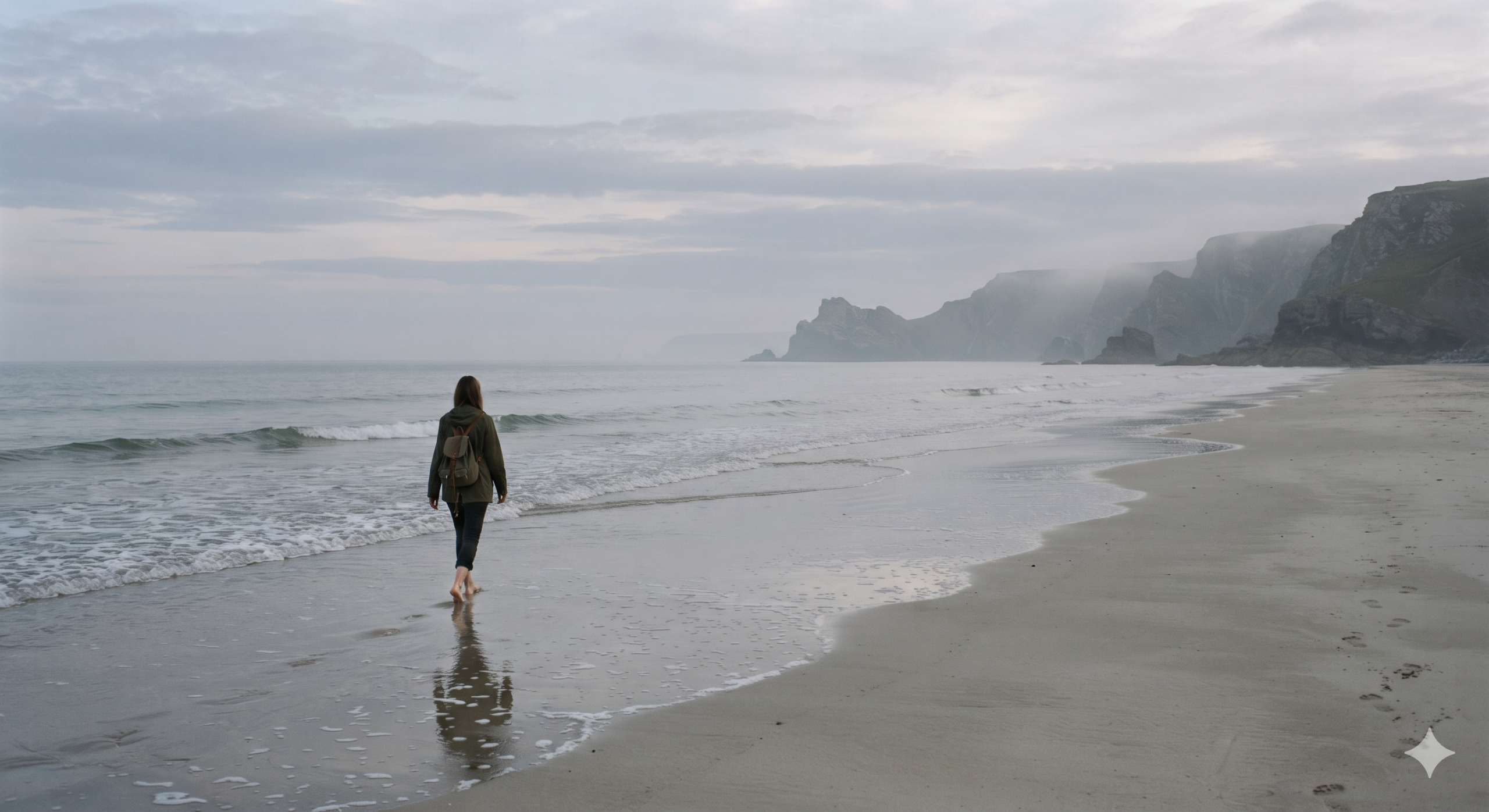
Imagine returning from a holiday with fewer photographs but better sleep. You remember the sound of rain outside your room, the morning walk you took without checking your phone, the unhurried breakfast and the conversation that continued long after the meal was finished.
You may have visited fewer places, but you returned feeling more present.
This is the appeal behind the growing interest in wellness travel, a style of travel that puts personal wellbeing alongside the usual pleasures of exploring somewhere new. Recent travel coverage in 2026 has highlighted interest in trips designed around rest, fitness, stress relief, nature and self-care.
The idea is not necessarily to spend thousands on a luxury spa or travel halfway around the world to find peace. It is to reconsider what a holiday should give us.
Perhaps the best trip is not the one that fills every hour. Perhaps it is the one that gives us a little of ourselves back.
What Is Wellness Travel, Really?
Wellness travel means choosing travel experiences with the intention of supporting your physical, mental or emotional wellbeing.
That can mean very different things to different people.
For one person, it might be a quiet weekend beside a lake. For another, it could be a walking holiday, a yoga retreat, a visit to a mountain village or a few days near the sea.
Some travellers seek structured experiences such as guided meditation, fitness sessions or spa treatments. Others simply want fresh air, nourishing meals, time outdoors and a break from the constant demands of everyday life.
There is no single definition of the perfect wellness holiday.
The important distinction is the intention behind the trip. Instead of asking only, “What can I see here?”, you might also ask, “How do I want to feel when I return?”
That question can change the entire experience.
1. The Rise of Holidays That Allow Us to Slow Down
Modern life often rewards speed. We answer messages while eating, listen to something while exercising and check work notifications even when we are supposed to be away from work.
Travel can become another version of the same pattern.
A day of sightseeing begins with an early alarm, continues through a list of attractions and ends with the pressure to upload photographs or plan tomorrow’s activities.
There is nothing wrong with an energetic holiday. Exploring a new city can be exciting, and adventure has its own rewards. But constant activity is not always what a tired person needs.
Slow travel offers another possibility.
You might spend a morning wandering through a local market, sit at a café without rushing, explore one neighbourhood properly or take a scenic train journey instead of trying to reach several destinations in a day.
The experience becomes less about collecting places and more about noticing them.
Try this on your next trip: Leave one half-day completely unplanned. You do not have to fill it with an activity, a reservation or a sightseeing goal. Let the day unfold according to your energy and curiosity.
You might discover that having less planned makes room for more memorable moments.
2. Nature Is Becoming Part of the Holiday Experience
A walk through a forest, the sound of waves or the sight of mountains at sunrise can offer a welcome change from traffic, screens and crowded schedules.
Nature-based travel appeals to people who want a more sensory experience of a destination. Instead of moving from one attraction to another, they may choose hiking trails, botanical gardens, lakeside stays or quiet coastal paths.
Time outdoors can support relaxation and provide opportunities for physical activity. However, no landscape is a guaranteed cure for stress, and people experience nature differently.
The value may be found in the simplicity of the experience.
You are walking rather than rushing. Listening rather than responding. Looking at something that does not require you to make a decision.
You do not need to book an expensive retreat to enjoy this aspect of wellness travel.
A local nature reserve, a countryside homestay or a peaceful beach outside peak hours may offer a similar opportunity to slow down.
Make the experience more intentional:
- Choose a walk that suits your fitness and mobility.
- Spend some time outdoors without constantly photographing everything.
- Learn about the local landscape, plants or wildlife.
- Respect natural habitats and follow local safety guidance.
- Leave the environment as you found it.
The aim is not to turn nature into another self-improvement assignment. It is simply to spend time in a different setting and see how it feels.
3. Sleep Is Becoming a Reason to Travel
Think about the last time you woke up feeling genuinely rested.
For many people, good sleep can feel surprisingly elusive. Work pressures, irregular schedules, late-night screens, noise and family responsibilities can all interfere with a consistent routine.
This helps explain the appeal of holidays built around rest.
Some hotels and retreats offer quiet environments, sleep-focused amenities, relaxation sessions or routines designed to encourage better rest. Other travellers simply choose destinations where they can step away from their usual schedule.
But a sleep-focused holiday does not need a specialised programme.
You might choose accommodation away from heavy nightlife, avoid packing every evening with activities, allow time to wind down and keep your waking hours reasonably consistent.
It is also worth remembering that changing time zones, unfamiliar beds and travel fatigue can make sleep harder at first.
A useful question to ask before booking: Will this trip give me enough time to rest, or am I planning another demanding schedule in a different location?
The answer may influence your choice of destination more than the number of attractions nearby.
If you have persistent sleep problems, a holiday may provide a break but should not replace appropriate medical advice.
4. Digital Detox Holidays Are About Choice, Not Disappearing
For many travellers, the appeal of getting away includes getting some distance from their phones.
Our devices make travel easier. They help us navigate unfamiliar streets, translate languages, book transport and stay in touch with loved ones.
The problem is not technology itself. It is the feeling that every spare moment must be filled with messages, notifications or scrolling.
A digital detox holiday creates opportunities to use technology more deliberately.
You might keep your phone available for navigation and emergencies but switch off social media notifications. You could photograph a sunset and then put your phone away instead of spending the next half-hour editing the picture.
Some people may prefer a remote destination with limited connectivity. Others need reliable internet because of work or family responsibilities.
Both approaches can fit within a healthier relationship with technology.
The goal is not to prove that you can live without your phone. It is to decide when you want to use it.
Try setting aside one meal, one walk or the first 30 minutes of the morning as screen-free time. Notice whether the experience feels different when your attention is not divided.
5. Wellness Travel Does Not Have to Be Expensive
The wellness industry can sometimes make wellbeing look like a luxury product.
Beautiful resorts, private pools, specialist treatments and exclusive retreats are often presented as the ideal way to recharge. For some travellers, these experiences are enjoyable and worthwhile.
But wellness should not become another financial pressure.
A restorative holiday can be modest, local and simple.
Consider a two-day stay in a nearby town, a countryside guesthouse, a walking trip with friends or a quiet weekend at home with planned outdoor activities and fewer commitments.
You could even organise a personal reset day: prepare a nourishing meal, visit a park, spend time with someone you care about and go to bed at a reasonable hour.
What matters is whether the experience suits your needs and budget.
Before spending money on a wellness package, look carefully at what is included. Be cautious of claims that promise to detox your body, reverse ageing or deliver dramatic medical benefits without credible evidence.
A high price does not automatically mean a healthier experience.
6. Local Culture Can Be Part of Wellbeing
Wellness travel is not limited to silence, solitude and meditation.
For many people, feeling well also means experiencing connection, curiosity and belonging.
A local cooking class, a visit to a traditional craft workshop, a community festival or a conversation with a guide can make a trip feel more meaningful.
Food is one example.
Instead of searching only for fashionable wellness menus, travellers can explore regional dishes, local produce and traditional ways of preparing meals. They can learn about the culture behind the food while enjoying the experience of eating somewhere new.
The same principle applies to walking tours, music, art and community activities.
Travel can offer a break from routine without requiring us to withdraw from the world.
Choose experiences that respect local communities and traditions. Ask permission before photographing people, support local businesses when practical and avoid treating cultural practices as instant cures for health problems.
Sometimes, the most memorable part of a trip is not the scenery but the person who helped you understand it.
7. How to Bring the Feeling Home
One challenge with any restorative holiday is returning to the same routines that made you feel tired in the first place.
You may sleep better during your trip, enjoy more time outdoors and feel less distracted. Then the inbox fills up, the commute resumes and the benefits seem to disappear within days.
The answer is not to expect a holiday to solve every problem. It is to identify one or two experiences worth carrying into ordinary life.
Perhaps you enjoyed a morning walk without your phone. Could you repeat that once or twice a week?
Maybe you had unhurried dinners with friends. Could you protect one evening each month for the same kind of connection?
Or perhaps you discovered that you felt calmer with fewer commitments. Could you leave a little space in your weekend instead of planning every hour?
A holiday can provide useful information about what helps you feel more balanced.
You do not need to recreate the entire trip. Bring home one habit that fits your real life.
How to Plan a Wellness Holiday That Suits You
Before booking, ask yourself a few simple questions:
What do I need most right now?
Rest, movement, adventure, connection or a change of scenery? Be honest about your energy and expectations.
What can I comfortably afford?
Set a realistic budget that includes transport, food and unexpected expenses. Avoid taking on financial stress in the name of relaxation.
How much structure do I want?
A guided retreat may suit someone who enjoys organised activities. Another person may prefer a flexible itinerary with plenty of free time.
Will the experience be accessible and safe for me?
Consider mobility, weather, transport, dietary needs and any health considerations. Check the suitability of activities before booking.
What do I want to remember?
Think beyond photographs. You might want to remember feeling curious, sleeping well, laughing with friends or having time to think.
These questions can help you choose a trip that reflects your priorities rather than someone else’s version of the perfect holiday.
The Takeaway: Travel That Gives Something Back
Wellness travel is not about making every holiday productive. It is not another challenge to complete or a new standard against which to judge yourself.
It is an invitation to think differently about time away.
A wonderful trip might involve climbing a mountain, dancing at a festival, exploring a bustling city or spending an afternoon doing almost nothing. Different people need different experiences, and those needs can change over time.
The real question is whether your holiday gives you room to experience the world in a way that feels meaningful to you.
Perhaps you return with stories of places you visited. Perhaps you return with a new appreciation for quiet mornings, local food or time spent with people you love.
And perhaps the best souvenir is not something you buy at the airport. It is a small reminder that life does not always have to be rushed.
At PureLifeWorld, we believe wellbeing should fit into real life, not become another thing to achieve. If you could plan a holiday around how you want to feel rather than how much you want to see, what would your ideal trip look like?
Health note: Wellness travel may offer opportunities for rest, movement and enjoyment, but it is not a substitute for medical or mental health care. Choose activities and destinations that are appropriate for your individual needs.